Metro Phoenix / Communities / Peoria
Peoria Overview
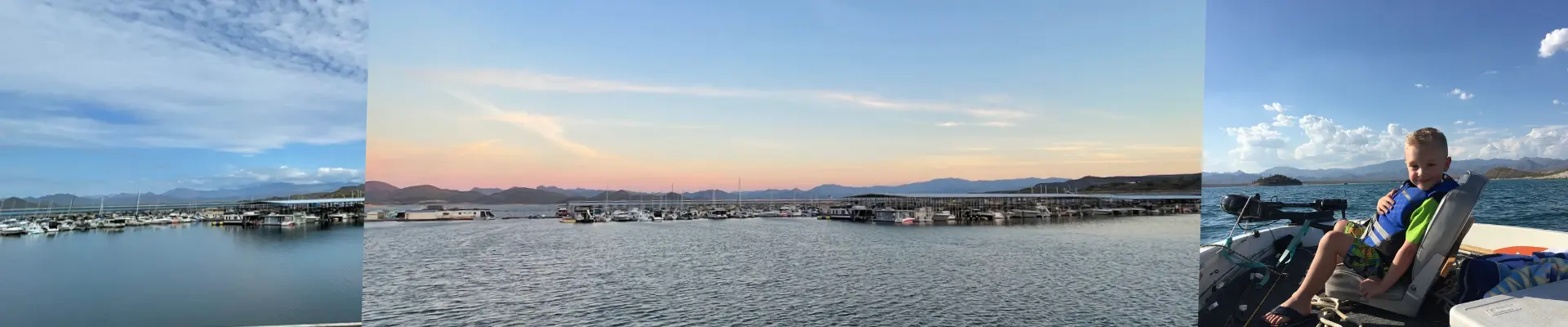
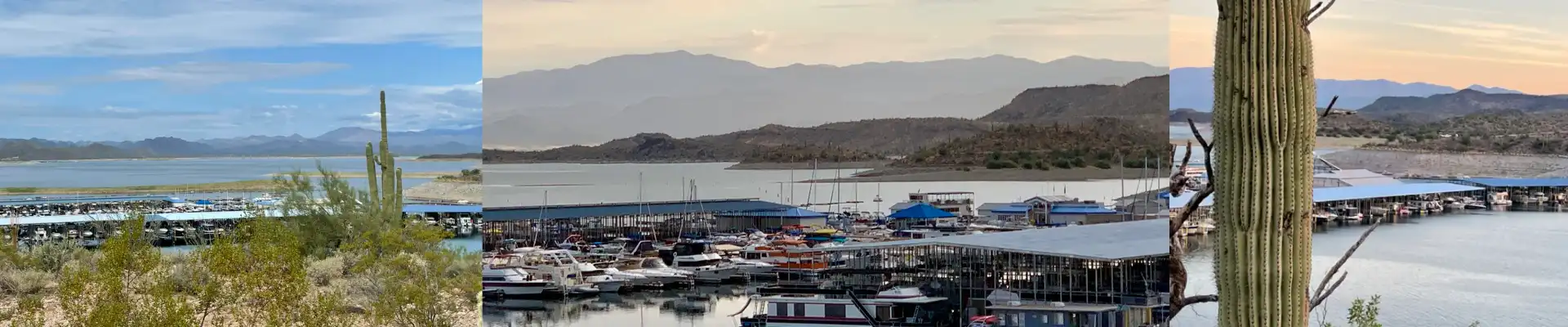
The City of Peoria is in the northwest area of Metropolitan Phoenix. The city is enveloped by majestic mountains and includes both desert and mountain preserves within its boundaries, providing residents and visitors with stunning natural landscapes and recreational opportunities. Peoria residents enjoy access to more than 40 miles of multi-use trails for hiking, cycling, and horseback riding, including Peoria Sunrise Mountain Preserve and Calderwood Butte Preserve. The 25,000-acre Lake Pleasant Regional Park offers water-based recreational activities (over 100 miles of shoreline!), a full-service marina at Pleasant Harbor and numerous other recreation options and amenities.
The Peoria Center for the Performing Arts features a main stage auditorium with 280 seats, alongside an intimate 80-seat black box theater. Both venues are specifically designed to showcase award-winning theatrical productions in downtown Peoria, enriching the cultural landscape of the community.
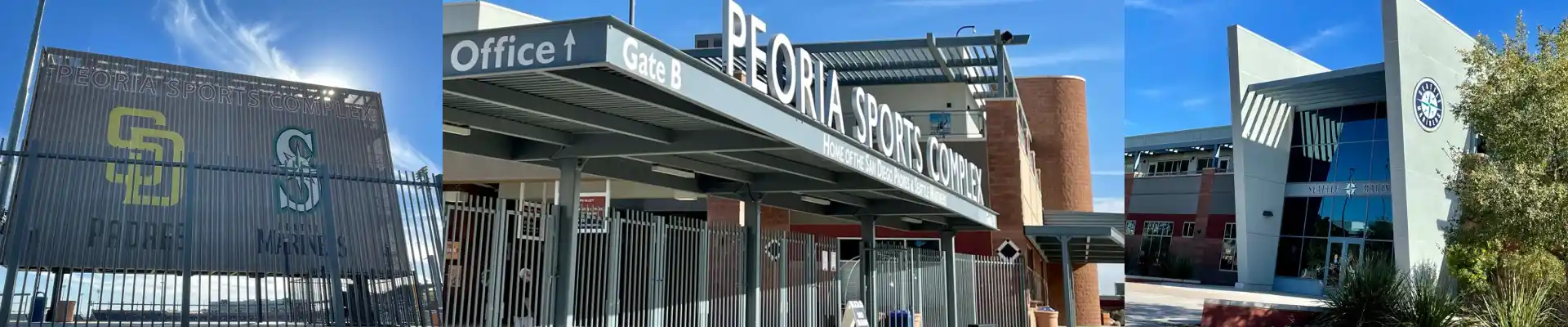
The Peoria Sports Complex serves as the spring training and player development facility for the Seattle Mariners and the San Diego Padres. In addition to its primary function, the complex hosts a variety of athletic events and special occasions throughout the year, featuring 11 lighted fields that meet MLB standards.
History
The history of the City of Peoria dates back to the 1880s. Agriculture has always been a driving force behind settlement in this region, as it provided sustenance and a livelihood for the early inhabitants. Once the town site was surveyed and a well dug, the heart of Peoria became centered at Washington Street and Grand Avenue.
The city was officially incorporated in 1954, and by 1970, it had a population of around 2,500, along with all the amenities of a small, self-sufficient town with a close-knit, welcoming atmosphere.
Today, Peoria has grown into a thriving city with over 200,000 residents. It continues to expand and prosper, building on its rich history and strong community spirit.
- 1885 -Arizona Canal completed
- 1886 -Peoria founded
- 1887 -Main road through Peoria, Grand Avenue, established
- 1888 -Postal service started in Peoria
- 1919 -Chamber of Commerce organized
- 1941 -Luke Field named
- 1952 -Peoria Times newspaper opened
- 1954 -Peoria incorporated
- 1956 -Peoria named “Rose Capital of the World”
- 1991 -City hall and court buildings opened at the new city complex
- 1994 -Peoria Sports Complex opened
- 1996 -Lake Pleasant annexed into the city
- 2002 -Economic Development Department established
- 2007 -Peoria Center for the Performing Arts (PCPA) opens
City Government
The Peoria City Council is divided into six districts. The council members are elected for four-year terms on a staggered basis. The mayor is elected at-large for a four-year term. In council meetings, the Peoria City Council has identified three priority areas to continue advancing Peoria forward: Economic Development, Public Safety and Water Security.
Business
Tourism, Sports, and Entertainment: Peoria Sports Complex is the spring training home for the San Diego Padres and Seattle Mariners. The facility draws thousands of visitors each spring, providing a significant boost to the local economy. Lake Pleasant Regional Park is a major recreational resource. The lake attracts locals and tourists year-round for boating, fishing, hiking, and camping.
Advanced Manufacturing and Aerospace: Peoria’s proximity to Phoenix makes it an attractive location for advanced manufacturing companies, especially in aerospace and defense. The city offers a business-friendly environment with lower operational costs than Phoenix. Peoria attracts companies that need space for manufacturing, warehousing, and logistics. The workforce is well-trained, with a strong presence in technical fields related to manufacturing, aerospace, and engineering, enabling companies to access specialized talent locally.
Access to Talent and Education: Peoria benefits from proximity to major educational institutions like Grand Canyon University (GCU), Arizona State University (ASU), and Maricopa Community Colleges. These higher learning centers provide a pipeline of skilled graduates in engineering, IT, healthcare, and business.
Peoria Innovation Core
The Peoria Innovation Core (PIC) consists of approximately 7,000 acres (10.5 square miles), north of the Loop 303 and west of Lake Pleasant Boulevard. This (currently undeveloped) mega corridor is undergoing an initial infrastructure investment of $140 million. The parcels of land within the PIC will have pre-built infrastructure already in place. The targeted industries are aerospace, semiconductors, and advanced manufacturing. The City of Peoria has divided PIC into three phase or “cores” –each with different ideas for a mix of development (residential, retail, hospital, industrial, schools, parks). The area expected to be developed in these three phases over the next 20 years.
Transportation
Loop 101 (Agua Fria Freeway): Prominent West Valley artery that runs north-south along the eastern edge of Peoria and connects the city to major areas in the rest of Metro Phoenix.
US Route 60 (Grand Avenue): Grand Avenue is a diagonal roadway that runs through Peoria, connecting it to Glendale to the southeast and Sun City and Surpise to the northwest. It serves as a major route for local businesses and commercial traffic, as well as an important thoroughfare for residents traveling to Phoenix.
Bell Road: Major east-west road that runs through northern Peoria and continues through surrounding cities as a significant commercial corridor, lined with shopping and dining options, and local businesses, making it one of the busiest and most accessible routes in the city.
2023 Population (estimate)
City of Peoria: 201,640
Arizona: 7,427,991
Median Household Income (2022)
City of Peoria: $86,948
Arizona: $74,568
Estimated Home Value (2024)
City of Peoria: $494,840
Arizona: $433,271
Median Age (2022)
City of Peoria: 41.0
Arizona: 38.6
Land area: 138.2 square miles
Population density:
1,433 people per square mile
Peoria Innovation Core
The Peoria Innovation Core (PIC) consists of 7,000 acres (10.5 square miles). On December 17, 2024, the city entered into an IGA with the ASLD (Arizona State Land Department). The IGA provided the framework for the master planning of the PIC, pre-built infrastructure, and the structure to recoup costs from initial investment. The city is leading master planning for the PIC.